
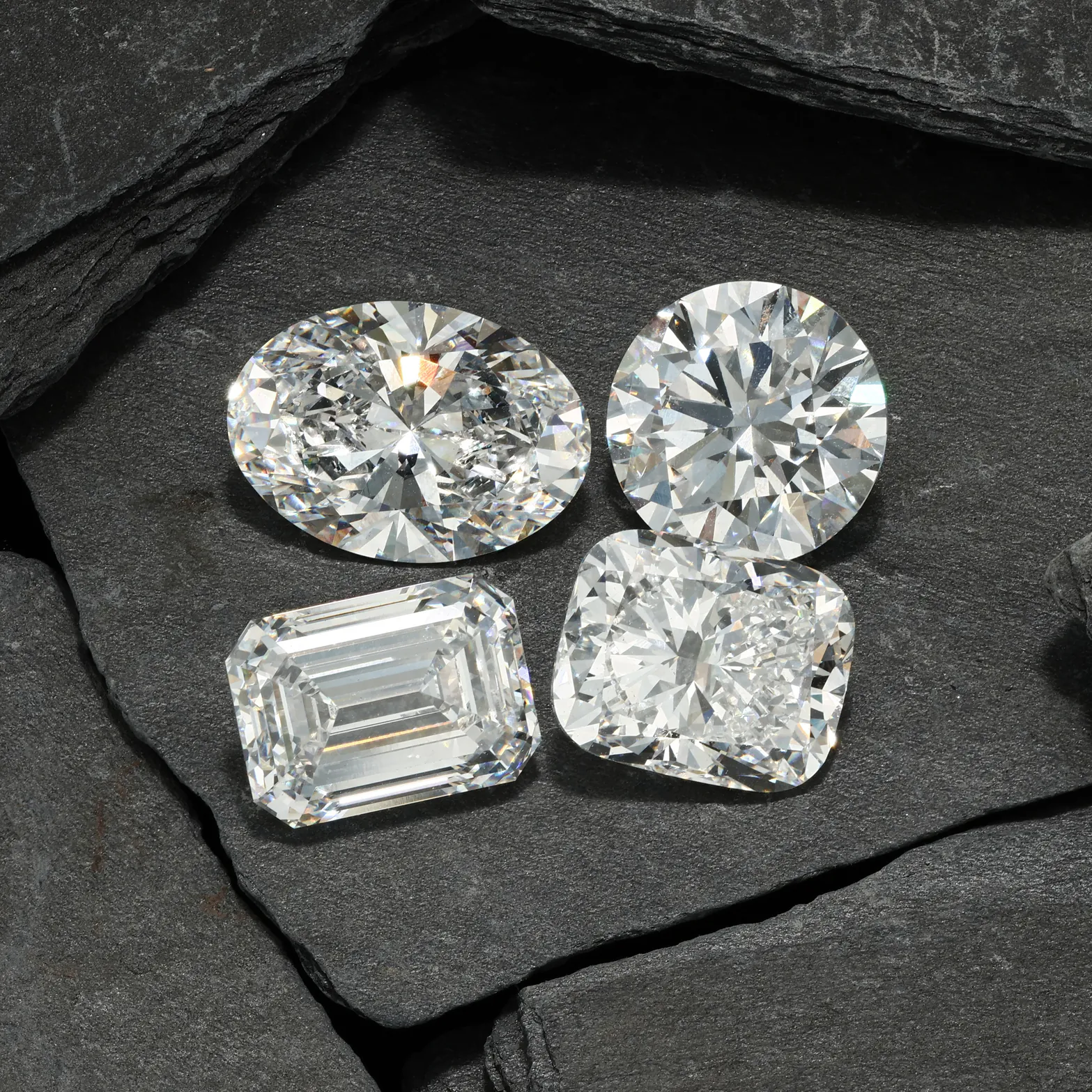
Choosing between a lab-grown and a natural diamond is not just a technical decision. For a custom engagement ring, it shapes the size you can buy, the design options you can pursue, the story behind the piece, and how you want to allocate your budget.
That is why the better question is not “What is the difference?”, it is: Which diamond is the right fit for the ring you want to create?
For clients investing in a bespoke ring, the answer is rarely one-size-fits-all. A larger center stone, a hand-fabricated setting, a family-heirloom mindset, or a preference for origin and rarity can all point in different directions. Both lab-grown and natural diamonds are real diamonds with the same basic optical, physical, and chemical properties; in the U.S., the FTC says lab-grown diamonds should be clearly disclosed as laboratory-grown or laboratory-created because they are not mined.
At Maytal Hannah, the focus is not on pushing one category over the other. It is on helping clients make a confident, informed decision and turning that decision into a timeless custom ring designed around their priorities.

Quick answer: lab-grown vs. natural diamond custom ring
If the goal is to maximize size or quality for a given budget, a lab-grown diamond custom ring is often the stronger choice.
If the goal is rarity, geological origin, and the traditional appeal many buyers still associate with an heirloom engagement ring, a natural diamond custom ring is often the better fit.
Natural diamonds offer the added benefit of lasting value over time, while lab-grown diamonds are typically chosen for their beauty and upfront value rather than future resale potential.
The right answer depends on what matters most in your finished ring:
- Budget flexibility
- Center-stone size
- Rarity
- Long-term emotional value
- Upgrade goals
- Personal philosophy around sourcing and luxury
What matters most when choosing a diamond for a custom ring?
In a ready-made ring, you usually adapt to what already exists. In a custom ring, the diamond decision affects nearly every design choice that follows.
That includes:
- The proportions of the setting
- The scale of side stones
- The width and weight of the band
- The overall finger coverage
- The balance between center stone and craftsmanship
- Whether the budget goes more heavily into the diamond, the fabrication, or both

Lab-grown vs. natural diamonds: the decision factors that actually matter
Choose lab-grown if size and budget are top priorities
Many buyers choose lab-grown because they offer exceptional value, allowing you to choose a larger stone with higher color or clarity, while staying within your desired budget.
For a custom ring, that flexibility can matter a great deal. It may allow you to create the proportions you want without sacrificing craftsmanship.
Lab-grown may be the right choice if you want:
- A bigger look for the budget
- Higher specs on paper without escalating cost as sharply
- More budget room for an intricate bespoke setting
- A statement center stone for an upgrade ring or anniversary redesign
Choose natural if rarity and origin matter most to you
Natural diamonds appeal to buyers who value rarity, geological origin, and the emotional significance of a stone formed over immense time in the earth. That point matters because diamond value is closely tied to rarity across the 4Cs, which GIA identifies as the global standard for comparing diamonds.
For some clients, that rarity is central to the meaning of the ring. They are not only buying sparkle. They are buying provenance, symbolism, and a category of fine jewelry that has long been associated with heirloom ownership. A natural diamond carries an inherent value that can remain well beyond the initial purchase.
Natural may be the right choice if you want:
- A stone valued for natural origin and rarity
- A classic luxury purchase with traditional appeal
- A custom engagement ring with strong heirloom symbolism
- A ring category that feels especially aligned with old-world fine jewelry
Choose based on the whole ring, not just the stone
A common mistake is treating the diamond as the only luxury element that matters. In a truly bespoke piece, the ring itself matters just as much.

A beautifully cut diamond in a generic setting is not the same as a diamond thoughtfully integrated into a hand-fabricated ring built for that exact stone. GIA’s consumer guidance on engagement rings emphasizes working with a reputable jeweler and insisting on an independent grading report so you can compare quality accurately.
For many luxury buyers, the smartest approach is to decide where the value should live:
- In a larger or higher-spec center stone
- In the rarity of a natural stone
- In refined custom craftsmanship
- In a balanced combination of all three
How to decide for your custom engagement ring
The clearest way to choose is to answer a few design-first questions:
What matters more: size or rarity?
If finger coverage and scale matter most, lab-grown often creates more room to achieve that goal.
If rarity and natural origin matter more, natural is usually the stronger fit.
What do you want your budget to prioritize?
Ask yourself whether you want your investment concentrated in:
- The center stone
- The custom craftsmanship
- A balance of both
This is where an expert jeweler becomes invaluable. Once priorities are clear, the ring can be designed around them rather than forcing compromises late in the process.
Is this ring meant to feel modern, traditional, or deeply heirloom-driven?
Lab-grown often aligns well with buyers who want flexibility, scale, and a more contemporary route to a custom ring.
Natural often resonates with buyers who want a ring that feels especially timeless, rare, and rooted in traditional fine jewelry values.
Are you designing for now, or for a future upgrade?
If this is a first engagement ring with the possibility of a later redesign or anniversary upgrade, that can influence whether you prioritize immediate size and impact or long-term rarity from the beginning.

FAQs About Lab-Grown vs Natural Diamonds
1. Are lab-grown diamonds real diamonds?
Yes. Lab-grown diamonds have the same basic optical, physical, and chemical properties as mined diamonds. The key distinction is origin: one is grown today in a laboratory and one was formed in nature billions of years ago deep within the earth. The FTC requires clear disclosure that a lab-grown diamond is not mined.
2. Do lab-grown and natural diamonds look different in a finished ring?
To the eye, they can look the same, especially when they are comparable in cut, color, clarity, and carat weight. In both categories, cut quality remains one of the most important factors in beauty and light performance. GIA’s diamond education consistently centers quality comparison on the 4Cs, with cut playing a major role in appearance.
3. Is a natural diamond always better for a luxury custom ring?
Not always. “Better” depends on the client’s goal. If the priority is rarity and natural origin, natural may be better. If the priority is maximizing size, visual presence, or design freedom within a defined budget, lab-grown may be the better luxury choice.
4. Which option gives more flexibility in a custom engagement ring budget?
Whether you choose lab-grown or a natural diamond,both deserve to be set in a hand fabricated mounting. A diamond is only part of the finished piece–the craftsmanship of the setting shows how beautifully the stone is showcased. Hand fabrication creates a ring specifically around your diamond, making it truly one of a kind.
5. Should both lab-grown and natural diamonds come with grading?
Yes. An independent grading report is essential for either option. Natural diamonds graded by GIA receive an independent assessment of the 4 c’s–carat weight, color, clarity, and cut. GIA evaluated lab-grown diamonds using a separate quality-assessment system
The Maytal Hannah approach to custom diamond rings
A custom engagement ring should never feel like a template with a stone dropped into it. It should feel intentional from the first conversation to the final polish.

Maytal Hannah is known for classy, timeless fine jewelry and bespoke, hand-fabricated engagement rings, wedding bands, anniversary bands, and custom pieces made with precision and taste. That matters in this conversation because the best lab-grown vs. natural diamond decision is the one made in the context of the final ring, not in isolation.
A luxury client does not need more noise or generic definitions. They need expert guidance on questions like:
- Which option best supports the ring design I want?
- Where should my budget work hardest?
- What diamond shape and proportions will suit my hand and style?
- How can I create a ring that feels timeless rather than trend-driven?
Those are custom-jewelry questions. And they deserve a custom-jewelry process.
Final takeaway: the right diamond is the one that serves the ring
There is no single winner in the lab-grown versus natural diamond conversation.
There is only the better choice for your ring.
If you want larger scale, more flexibility, or room in the budget to elevate the design, a lab-grown diamond may be the right path.
If you want rarity, natural origin, and a classic heirloom sensibility, a natural diamond may be the stronger choice.
Natural diamonds tend to retain long-term resale value, while lab-grown diamonds generally have little to no resale value.
The important part is choosing intentionally, then designing the ring around that choice with an expert who understands proportion, fabrication, and timeless fine jewelry.
Ready to create a custom engagement ring that reflects your priorities beautifully?
Book a consultation with Maytal Hannah to begin designing your bespoke ring, compare lab-grown and natural diamond options with expert guidance, and create a piece made specifically for you.
Comments
Loading comments...